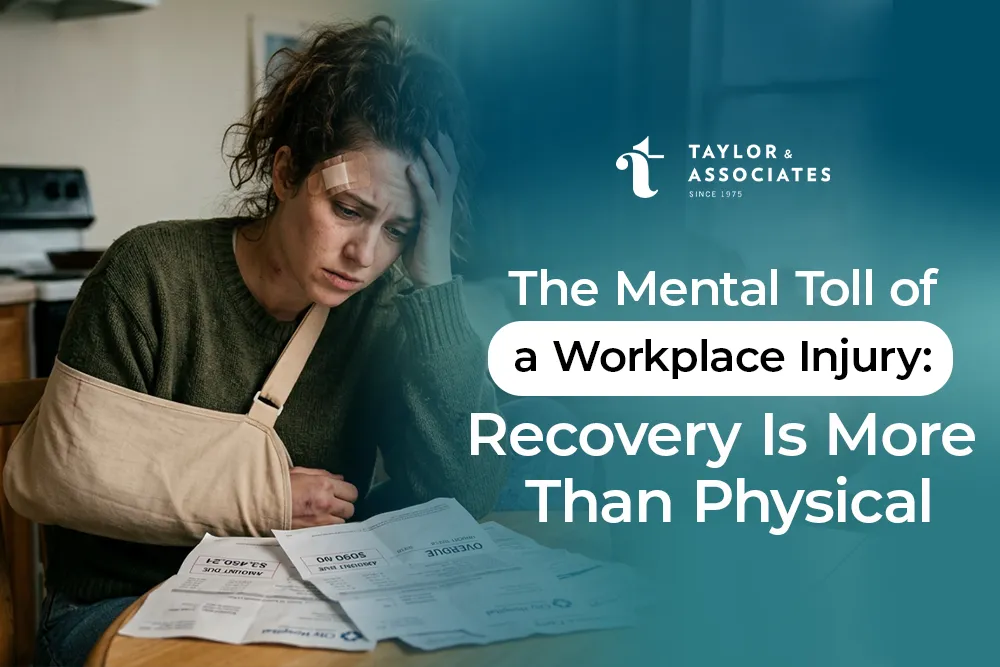
When you get hurt on the job, the workers’ compensation system is supposed to be straightforward: you’re injured at work, so your medical care and a portion of your lost wages get covered. No need to prove anyone was at fault.
In practice, it’s rarely that simple. Insurance carriers look closely for reasons to reduce or deny claims, and injured workers — often in pain, stressed about money, and unfamiliar with the process — make small mistakes early that come back to haunt them later.
The good news is that most of these mistakes are completely avoidable once you know what they are. Here are the seven we see most often in Arizona, and how to protect yourself from each one.
Mistake #1: Not Reporting the Injury Right Away
This is the big one. In Arizona, you’re expected to notify your employer of a work injury promptly — and waiting is one of the fastest ways to hand the insurance company a reason to be suspicious.
Every day you delay, the carrier gains an argument: If you were really hurt at work, why didn’t you say something sooner? Maybe it happened somewhere else.
Report the injury to a supervisor as soon as it happens, even if it seems minor at first. Some of the most serious work injuries — back problems, repetitive strain, and injuries that swell or stiffen over the following days — don’t feel like emergencies in the moment. Report it anyway, and make sure the report is documented in writing, not just mentioned in passing.
Mistake #2: Assuming a “Minor” Injury Isn’t Worth a Claim
Plenty of workers shrug off a sore back or a tweaked shoulder, figuring it’ll heal on its own in a few days. Sometimes it does. But sometimes that “minor” strain turns into a chronic problem that needs months of treatment — and by then, the late report makes the claim far harder to win.
You don’t lose anything by reporting an injury that turns out to be minor. You can lose a great deal by staying silent about one that turns out to be serious. When in doubt, report it and get it on the record.
Mistake #3: Missing the Deadline to File
Reporting your injury to your employer and formally filing your claim with the state are two different steps, and the formal claim is subject to a strict legal deadline in Arizona. Miss it, and you can lose your right to benefits entirely — no matter how legitimate your injury was.
Deadlines are exactly the kind of trap that’s easy to fall into when you’re focused on recovering and managing daily life. This is one of the clearest reasons to talk to a workers’ comp attorney early: making sure every filing happens correctly and on time.
Mistake #4: Not Getting Prompt Medical Treatment — or Skipping Appointments
Your medical records are the backbone of your claim. When you delay seeing a doctor, or you miss follow-up appointments, you hand the insurance company two arguments at once: that your injury isn’t as serious as you claim, and that any ongoing problems might have some other cause.
See a doctor promptly, follow the treatment plan, attend every appointment, and be thorough and honest about all of your symptoms — not just the worst one. Gaps in treatment are one of the first things a claims adjuster looks for.
Mistake #5: Downplaying Your Symptoms to the Doctor
Many people are conditioned to tough it out. You tell the doctor you’re “doing okay” because you don’t want to seem like you’re complaining. The problem is that your words become part of the medical record — and “patient reports feeling better” can be quoted right back at you to justify cutting off benefits.
Be accurate, not stoic. Describe your pain, your limitations, and how the injury affects your daily life and your ability to work. This isn’t exaggerating; it’s giving an honest, complete picture so your record reflects reality.
Mistake #6: Posting About Your Injury (or Anything Active) on Social Media
Insurance companies review claimants’ social media. A photo of you at a family barbecue, a weekend trip, or lifting your kid can be taken wildly out of context to suggest you’re not really hurt — even if you paid for that activity with days of pain afterward.
While your claim is open, it’s wise to be very cautious about what you post, and to set your profiles to private. A single misinterpreted photo can do real damage.
Mistake #7: Accepting a Denial or a Quick Settlement Without Advice
A claim denial is not the end of the road. Many Arizona workers’ comp claims are denied initially and then won on appeal — but only if the worker challenges the decision within the required timeframe instead of giving up.
The same caution applies to settlement offers. An early lump-sum offer can look appealing when you’re worried about money, but once you settle, you may give up the right to future medical care for an injury that isn’t done costing you. Before you accept a denial as final or sign a settlement, have someone who knows the system review it.
The Thread Running Through All Seven
Notice what these mistakes have in common: they all involve giving the insurance company evidence or opportunities to say no. Report late, treat late, downplay symptoms, miss a deadline — each one creates a gap that a carrier can use to reduce what you’re owed.
Doing it right isn’t complicated, but it does require knowing the rules of a system designed by and for insurers. That’s the real value of talking to a workers’ compensation attorney early: not just fighting denials after they happen, but preventing the missteps that lead to them.
Talk to Taylor & Associates Before You Make a Costly Mistake
For nearly 50 years, Taylor & Associates has represented injured Arizona workers — and only injured workers. Workers’ compensation and Social Security Disability aren’t a side practice for us; they’re what we do. If you’ve been hurt on the job, we’ll help you avoid these pitfalls and pursue every benefit you’re entitled to.
Call 1-602-254-1977 (or 1-800-358-2287) for a free consultation. Appointments available 24/7 — and there’s no fee unless we win benefits for you.
This article is for informational purposes only and does not constitute legal advice. Every case is different — contact an attorney to discuss your specific situation.