Getting injured at work can be a life-changing event. Suddenly, you’re dealing with pain, uncertainty, and the stress of mounting medical bills, all while wondering how you’ll continue supporting yourself and your family. If this has happened to you—or someone you care about—you’re not alone. That’s exactly why workers’ compensation exists: to help protect employees from the devastating financial and personal consequences of workplace injuries or illnesses.
But let’s face it, the system can be confusing. Arizona’s laws around workers’ compensation have their own rules, timelines, and limitations. Whether you’ve been hurt on a construction site, suffered a repetitive strain injury at an office job, or developed an illness because of work conditions, this guide will walk you through everything you need to know in 2025. Let’s break down exactly what workers’ compensation covers in Arizona and how you can navigate the process with confidence.
What Does Workers’ Compensation Cover in Arizona? Understanding the Basics
Workers’ compensation in Arizona is a mandatory insurance program that employers must provide for their employees. This insurance exists to offer protection and financial support to employees who are injured or become ill as a direct result of their job. The good news? Arizona operates under a “no-fault” system. That means even if your own actions contributed to the injury—as long as it wasn’t due to gross misconduct—you could still be eligible for benefits.
In simple terms, if your injury or illness was caused by your job duties, workers’ compensation steps in to provide financial help while you recover. This isn’t just a legal formality—it’s a lifeline for workers who are suddenly facing medical treatments, recovery periods, and time away from work.
It’s important to note that this coverage applies to both full-time and part-time employees. Independent contractors, however, are typically excluded unless specific arrangements have been made. Knowing where you stand in terms of employment classification is crucial when beginning this process.
Medical Expenses Are Fully Covered
One of the most significant components of workers’ compensation is coverage for medical treatment. If you’re hurt on the job in Arizona, your workers’ comp insurance should cover 100% of your necessary and reasonable medical expenses related to the injury or illness. That includes everything from emergency room care on day one to follow-up appointments months later.
The range of medical services covered is broad. It includes hospital stays, surgeries, X-rays, lab tests, medications, physical therapy, chiropractic care, durable medical equipment like wheelchairs or braces, and even specialized treatment plans depending on the nature of the injury. Workers do not pay co-pays, deductibles, or any out-of-pocket costs for these services as long as the care is authorized.
However, Arizona has strict rules about which providers you can see. In most cases, the employer or insurance company selects the initial treating physician. If you seek treatment outside the approved network without permission, you may be responsible for the cost. That’s why clear communication with your employer and insurer is so important from day one.
Lost Wages Are Partially Replaced
Being out of work due to an injury doesn’t just affect your body—it affects your finances too. Workers’ compensation in Arizona helps alleviate this burden by providing wage replacement benefits for employees who are temporarily or permanently unable to work.
These benefits generally cover about two-thirds of your average monthly wage, up to a state-mandated cap. If your injury prevents you from working entirely, you may qualify for Temporary Total Disability (TTD) benefits. If you’re only able to work part-time or perform light duties for reduced pay, you could receive Temporary Partial Disability (TPD) benefits. In more serious cases where permanent impairment occurs, the law provides for Permanent Partial Disability (PPD) or Permanent Total Disability (PTD) compensation based on the severity and impact of the injury.
Although wage replacement doesn’t cover your full salary, it’s designed to help you stay financially stable while you recover. Keep in mind, it may take a few weeks to begin receiving these payments, so filing quickly and accurately is essential.
Vocational Rehabilitation and Job Training
Sometimes, an injury means you can’t return to your previous job—even after recovery. In those cases, Arizona workers’ compensation offers vocational rehabilitation services. These services are intended to help injured workers transition into new roles that suit their current physical capabilities.
This may include career counseling, job placement services, training for a new occupation, and help writing resumes or preparing for interviews. The goal is to support injured workers in finding long-term, gainful employment that doesn’t compromise their health. This benefit can make a major difference for people facing permanent physical limitations who still want and need to remain part of the workforce.
Death Benefits for Surviving Family Members
When a workplace injury leads to death, the consequences are not only emotional but also financial. Arizona’s workers’ compensation system includes death benefits for surviving dependents, such as a spouse, children, or others who were financially dependent on the deceased.
These benefits typically include reasonable funeral expenses and ongoing financial support to help offset the loss of income. The surviving family members may be entitled to a percentage of the deceased worker’s wages, paid on a regular basis. These benefits can provide critical relief during a difficult time, helping families cover bills and maintain some financial stability as they grieve.
What Does Workers’ Compensation Cover in Arizona? Less Obvious Benefits You Should Know
Most people think of workers’ compensation as a simple formula: get hurt, get medical care, get some wage replacement. But Arizona law also includes several less obvious but equally important benefits that can play a crucial role in your recovery.
Travel Costs for Medical Treatment
Did you know that in Arizona, workers’ compensation can reimburse you for transportation expenses related to your medical care? If you have to travel a long distance to see a specialist or attend physical therapy appointments, you may be eligible for mileage reimbursement, gas costs, or even lodging in rare cases.
To qualify, keep detailed records of your travel, including dates, locations, and receipts if applicable. This is especially important for rural workers or those in areas where the closest qualified provider is far from home.
Mental Health Treatment
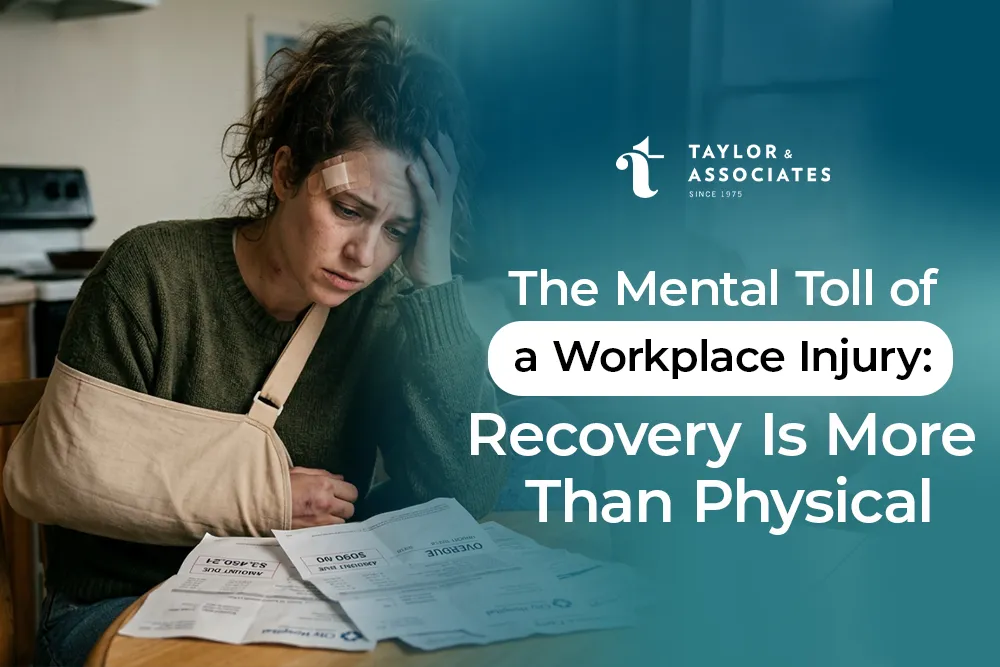
Physical injuries are often accompanied by emotional and psychological challenges. Whether you’re struggling with anxiety, depression, or post-traumatic stress after a serious workplace incident, Arizona law allows for mental health services to be covered under workers’ comp—if they are directly related to your injury and prescribed by a physician.
Access to therapy, counseling, and psychiatric services can be a vital part of your recovery, helping you return to work with a healthier mind and body.
Reimbursement for Out-of-Pocket Expenses
If you paid for medications, assistive devices, or small medical costs out of pocket before your claim was approved, you may be eligible for reimbursement. But don’t just assume you’ll get the money back—keep all receipts and communicate regularly with your claims adjuster. Every detail matters when it comes to documentation.
What Does Workers’ Compensation Cover in Arizona? When You’re Denied or Disagree With a Decision
Sometimes, even when everything seems in order, your claim might be denied or delayed. While frustrating, this doesn’t mean the fight is over.
The Importance of Timely Reporting
The sooner you report your injury to your employer, the better. Arizona requires that injured workers file a claim with the Industrial Commission of Arizona (ICA) within one year of the injury. But ideally, you should notify your employer the same day the incident occurs. Waiting can create unnecessary complications or even lead to denial of your claim.
What to Do If Your Claim Is Denied
If your claim is denied, don’t panic. Arizona law provides the right to appeal the decision. The appeals process involves requesting a hearing before an administrative law judge through the ICA. You’ll be allowed to present medical records, testimony, and other supporting evidence. Having someone experienced in Arizona workers’ comp law by your side can dramatically increase your chances of success.
What Does Workers’ Compensation Cover in Arizona? Situations Where You Might Not Be Covered
While Arizona’s system is designed to support injured workers, there are situations where your claim could be denied—and it’s important to understand them in advance.
Injuries Outside of Work Duties
Workers’ compensation generally applies only to injuries that happen during the course and scope of employment. That means if you’re hurt while commuting to work, taking a personal break, or doing something outside of your job responsibilities, your claim may be denied.
Misconduct or Substance Use
If your injury was the result of horseplay, intoxication, or violating safety rules, the insurance carrier may reject your claim. Arizona law allows insurers to deny benefits when misconduct is the direct cause of injury, although every case is evaluated on its own facts.
Volunteers and Independent Contractors
Volunteers and independent contractors are not automatically covered under workers’ comp in Arizona. That’s why it’s essential to clarify your employment classification and ask questions about coverage before an injury occurs.
What Does Workers’ Compensation Cover in Arizona? What to Expect in 2025 and Beyond
As we move through 2025, some aspects of workers’ compensation are evolving. Staying informed can help you avoid surprises and ensure a smoother claims experience.
More Telemedicine Options
The continued growth of telehealth is making it easier for injured workers to access care. Virtual appointments for follow-ups, therapy, and medication management are now widely accepted in Arizona, especially for workers in remote or rural areas.
Tighter Claim Review Processes
Insurers are using new technology to review claims faster and flag inconsistencies. While this can speed things up for some, it can also result in automated errors. Always review your claim documentation and speak up if something doesn’t seem right.
Need Help Navigating Your Workers’ Compensation Claim?
If you’ve been injured at work and are feeling overwhelmed by the process of filing a claim, understanding your benefits, or appealing a denial—you’re not alone. Navigating the Arizona workers’ compensation system can be confusing and emotionally draining, especially when you’re trying to focus on healing.
At Taylor and Associates, we have decades of experience helping injured workers understand their rights, pursue the compensation they’re entitled to, and move forward with clarity. Whether you’re just getting started or dealing with a claim dispute, our team is here to support you every step of the way.
Don’t leave your recovery to chance. Contact Taylor and Associates today for a free consultation and let us help you protect your future.